


150 years and 5 generations of family soapmaking
Dr. Bronner’s was founded in 1948 by Emanuel Bronner, a third- generation master soapmaker from a German-Jewish soapmaking family. He used the labels on his superb ecological soaps to spread his message that we must realize our transcendent unity across religious & ethnic divides: “We are All-One or None!” Still family-owned and run, Dr. Bronner’s honors its founder’s vision by making socially & environmentally responsible products of the highest quality—and by dedicating our profits to help make a better world. All-One!
1858
Soapmaking begins in Heilbronner home—Jewish quarter, Laupheim, Germany.

1880s/90s
Heilbronners invent first liquid castile soap—supply washrooms across Germany—sell bar soaps under “Madaform” brand.

1908
Emanuel Heilbronner (Dr. Bronner's founder) enters the world!

1920s
Emanuel (Emil) apprentices with Jewish soapmaking family—receives Soapmaking Master certificate from guild system trade school and university degree in chemistry.
1929
Emil’s powerful personality, Zionist ideals and ideas for modern soapmaking lead to clashes with father and uncles—emigrates to U.S.
1930s
Emil advises U.S. soap and chemical specialty manufacturers. With rise of Hitler, drops “Heil” from last name.
1940s
Nazis nationalize family soap factory—Emil’s parents deported and killed in Auschwitz and Theriesenstadt.
Emil adopts honorific “Dr.”—with his intensity, scientific knowledge and thick German accent, no one argues.

1945
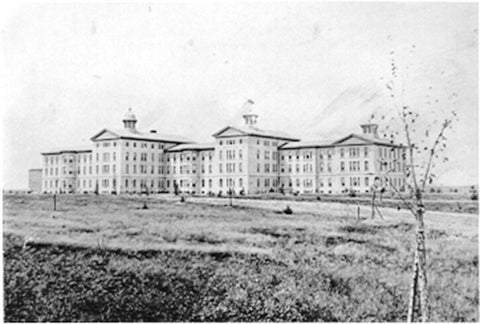
Escapes Elgin State Insane Asylum after being institutionalized for vehemently espousing his views—later blames shock treatments for declining eyesight and blindness in the ‘60s.
1948
Founding of Dr. Bronner’s! Production of liquid Peppermint soap and health food seasonings begins.

1950
All-One! Emanuel Bronner lectures in Pershing Square, exhorting all to unite as one—sells Peppermint soap on the side—realizes many are taking soap and leaving so prints lecture on labels. Sons Jim and Ralph help with business.
1960s/70s
Dr. Bronner’s soap becomes iconic soap of the era. Young people groove on label’s call for peace. Plant moves to Escondido, California. Jim becomes VP of R&D and Production.
1980s
Dr. Bronner’s soaps spread to mainstream. Ralph works with Emanuel Bronner to refine message on bottles. Jim launches Bronner Chemical and Technical Consulting—invents foam concentrate still used in fighting forest and structure fires.

1990s
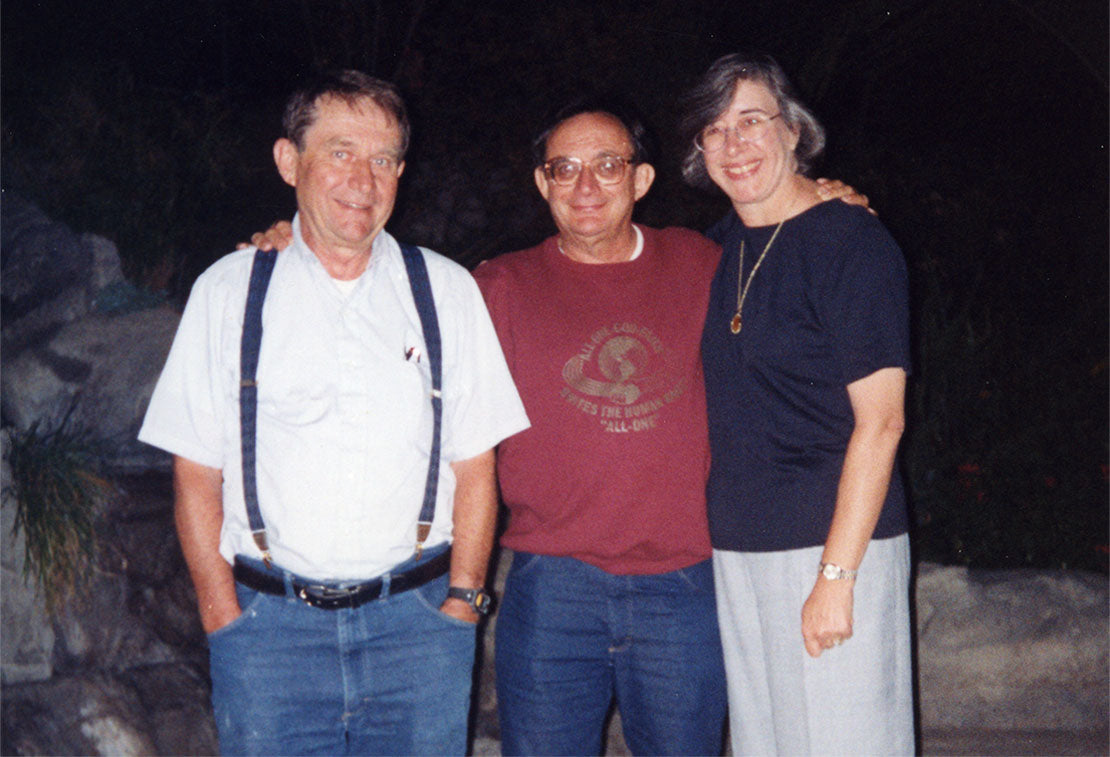
Emanuel Bronner’s health failing from Parkinson’s, sons Ralph and Jim and Jim’s wife Trudy assume control of company—Jim serves as President, Ralph as VP and company spokesperson, Trudy as Treasurer/CFO.
1997
Passing of Emanuel Bronner.

1998
Jim Bronner, battling cancer, spends year training son David (24-year-old Harvard graduate, mental health counselor, hemp advocate) to run company. Donates 1,200-acre parcel of wilderness worth $1.4 million to San Diego County Boys & Girls Club.
On Jim’s passing, David, with mom Trudy and Uncle Ralph, begins running company.

2000
Michael Bronner joins company—begins exportation of Dr. Bronner’s soaps around the world.

2001-2004
Dr. Bronner’s funds and helps coordinate hemp industry’s battle to defeat DEA’s regulations—victory comes on February 6, 2004—Bob Marley’s birthday!

2003
Dr. Bronner’s becomes largest personal care company certified under USDA’s National Organic Program. Pioneers 100% post-consumer recycled plastic bottles. Institutes progressive business practices: 5-to-1 compensation cap between top salaried employee and lowest-wage warehouse position—100% health coverage—all profits not needed for business dedicated to progressive causes and charities.
Uncle Ralph performs off-off-Broadway one-man show about his life, father, Dr. Bronner’s Magic Soaps.

2005
Sue Kastensen (Sun Dog Hemp Body Care) joins Dr. Bronner’s—helps reformulate her famous lip balms, body balms and lotions to USDA National Organic Program standards.
2006
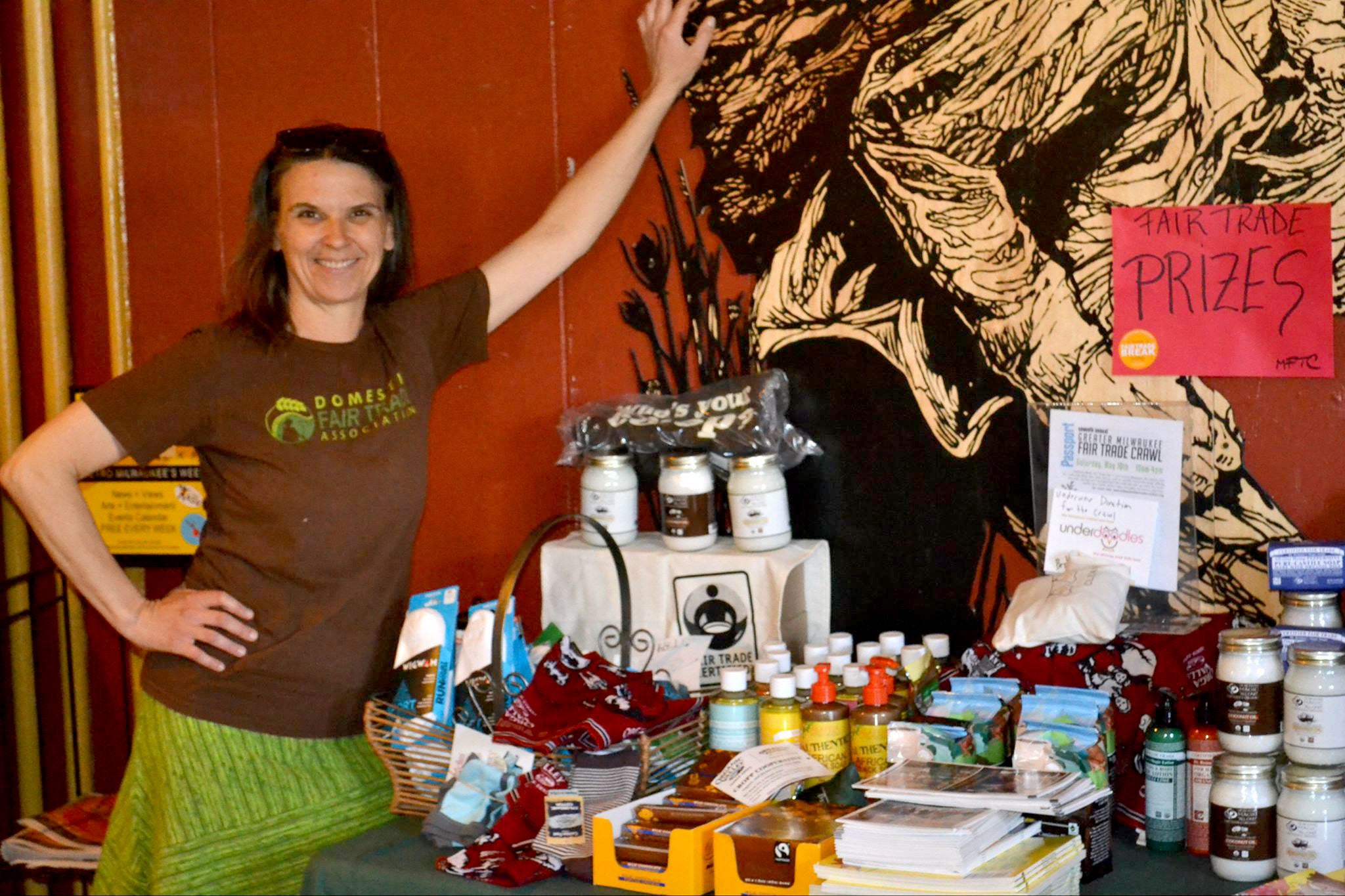
Comprehensive project to source all major raw materials from certified Fair Trade sources.

2007
Dr. Bronner’s certified as Fair Trade company.
Release of independent film, Dr. Bronner’s Magic Soapbox.
2008
Dr. Bronner’s celebrates 150 years of soapmaking and 60 years of certified organic products. Expands distribution into Israel, fulfilling Emanuel Bronner’s lifelong dream.

2010
Lisa Bronner, granddaughter of Emanuel Bronner and consumer educator, launches her website, Going Green with Lisa Bronner, to guide consumers in their use of Dr. Bronner’s products and green living.
2011
Sister company, Dr. Bronner’s Germany (DBG), opens in Dusseldorf, distributes throughout Europe.
Dr. Bronner’s co-brands with its Fair Trade coconut supplier from Sri Lanka (Serendipol) to launch White Kernel and Whole Kernel Fair Trade Coconut Oils.

2010-2013
David Bronner arrested outside DEA headquarters for planting hemp seeds, and again for harvesting hemp plants in a cage in front of the White House.
September 2013, Dr. Bronner’s staff celebrates with farmer Ryan Loflin as he harvests first American commercial hemp crop in over sixty years.
2012 to 2013
GMO labeling throwdown! Dr. Bronner’s partners with coalition of parent, consumer, health and environmental groups to demand labeling of genetically engineered foods.

2014
After growing 1,100% over 15 years, Dr. Bronner’s moves into larger factory. Commits to becoming a zero waste operation.

2015
Passing of Ralph Bronner, heart and soul of Dr. Bronner’s—inspired us all to hold true to the mission of spreading love first, making profits second. Thank you, Uncle Ralph!

Dr. Bronner’s famous product labels are updated preserving Emanuel Bronner’s philosophy & values!

First Annual All-One Report launched.

Dr. Bronner’s announces incorporation as a Benefit Corporation and certification as a B Corp™.

2016
Dr. Bronner’s joins leading manufacturers, retailers and nonprofits in launching Fair Pay Today campaign to support raising the minimum wage.

Launch of “Journey to Serendipol,” Dr. Bronner’s mini-documentary about fair trade, organic local community farms project in Sri Lanka producing Dr. Bronner’s Virgin Coconut Oil.
Dr. Bronner’s supports Cleaning Products Disclosure bill.

2017
Dr. Bronner’s + Sea Shepherd Global launch the MV Emanuel Bronner to protect the world’s whales, dolphins and wildlife.

Launch of “Sisters & Brothers,” an album of historic spoken-word recordings of founder, Emanuel Bronner.

2018
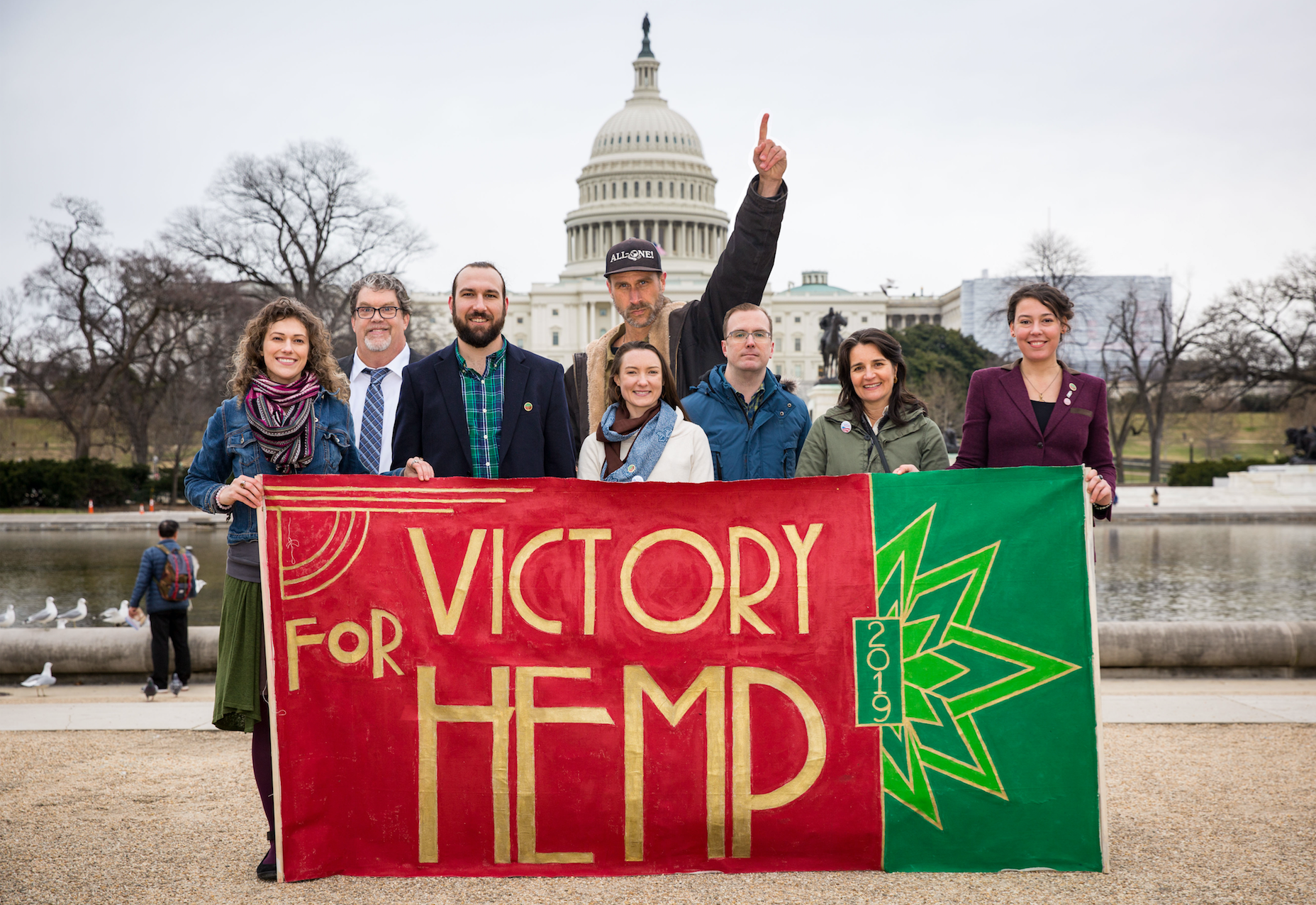
Hemp agriculture now legal in United States after two decades of Dr. Bronner’s advocacy and leadership in this fight!
Dr. Bronner’s Co-Creates Regenerative Organic Certification.

Heal Earth! Dr. Bronner’s launches major promotion of regenerative organic agriculture and begins labeling products that contain Regenerative Organic Certified ingredients.

Jim Bronner Gymnasium opens, donated to the YMCA by the Bronner family to celebrate the life of Jim Bronner!

Dr. Bronner’s, Organic Valley, and Grassroots Alliance support Camp Fire relief effort through Grassroots Aid Partnership, delivering food, toiletries and aid.

2019
Mini-documentary “Journey to Pavitramenthe” premiers showcasing the regenerative organic and fair trade project in India that produces the organic mint oil used in our iconic peppermint soap.
David Bronner co-creates Sun + Earth Certification—the righteous way to grow cannabis!

Dr.Bronner’s headquarters becomes 100% renewable energy powered!

2020
Dr. Bronner’s sources 100% of the Organic Hemp Seed Oil in its soap and other products from U.S. farmers after twenty years of victorious activism to legalize hemp farming.

“You Shop, We Give” campaign starts on DrBronner.com. Customers can choose nonprofit organizations to receive donation from Dr. Bronner’s.

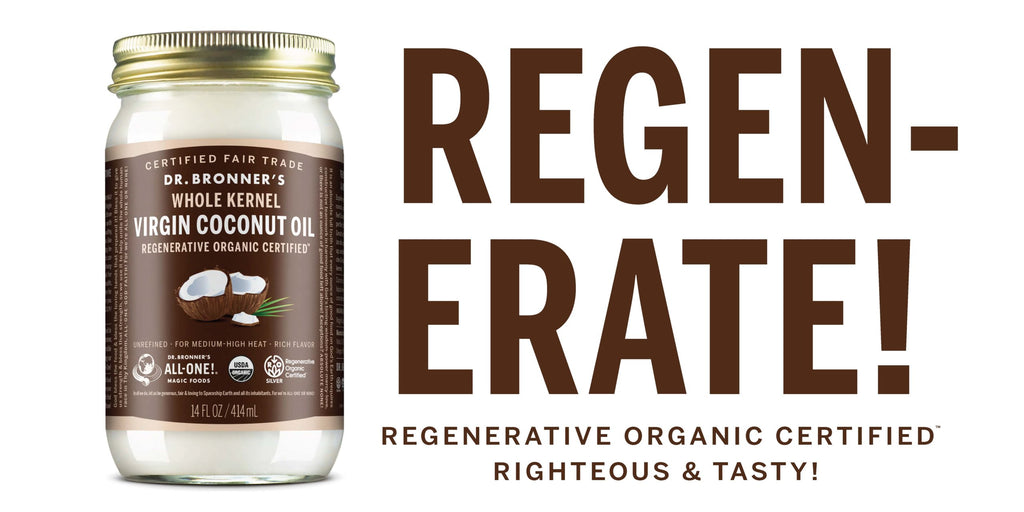
Dr. Bronner’s Coconut Oil is now Regenerative Organic Certified, becoming the first Regenerative Organic Certified virgin coconut oil to market in United States!
Heal Soul! Dr. Bronner’s donates $5 Million to the Multidisciplinary Association for Psychedelic Studies (MAPS), as part of activism and advocacy for psychedelic-assisted therapy and drug policy reform. We create special limited edition “Heal Soul!” label on our soaps.

Dr. Bronner’s releases cannabis-scented bar soap to support Sun+Earth Certified campaign.

2021
Dr. Bronner’s creates line of dark chocolate bars like no other to spark ethical chocolate excellence in organic, fair trade, vegan varieties.

Portfolio Books Publishes First-Ever Book About Dr. Bronner’s—Honor Thy Label: Dr. Bronner’s Unconventional Journey To A Clean, Green And Ethical Supply Chain by Dr. Gero Leson, VP of Special Operations.

2022
The world’s first ever truly circular Dr. Bronner’s Refill Station rolls out at Jimbo’s Naturally grocery in SoCal. This innovative station allows consumers to refill their own containers with soap, while at the same time, our distributor refills the containers that Jimbo’s uses to supply the station, eliminating the need for single-use plastic jugs anywhere in the product delivery system.

2023
Countryman Press publishes Lisa Bronner’s book, Soap & Soul: A Practical Guide to Minding Your Home, Your Body, and Your Spirit with Dr. Bronner’s Magic Soaps with more than 85 tips for caring for one’s home and body using Dr. Bronner’s products and other simple ingredients.

2024
Dr. Bronner's continues its commitment to zero waste by launching a Soap Refill Carton that uses 82% less plastic per quart of soap.


2025


 Return to About